You approved the budget. The vendor looked great. Six months later, the numbers doubled. That is not a rare horror story. It happens to more than 60% of companies running an ERP project. The problem is not the software. It is the gaps nobody warned you about, hidden charges, scope creep, and poor planning that vendors never put in the proposal.
If you are evaluating ERP software solutions right now, today, I’ll show you exactly where budgets break and how to stop it before it starts.
Table of Contents
ToggleKey Takeaways
- Most ERP overruns come from poor planning, not poor products.
- Hidden customization and training fees are the top budget killers.
- A phased rollout approach dramatically reduces financial risk.
- Post-go-live maintenance planning is just as important as the initial setup.
Common ERP Budget Overruns
According to Panorama Consulting’s 2024 ERP Report, 33% of projects went over budget, primarily due to unexpected technology requirements (source)
Most companies focus only on the software price. They forget that Enterprise Resource Planning is not just a tool. It is a transformation project. It touches finance, warehouse, HR, and supply chain all at once.
The Scope Creep
Scope creep happens when small additions pile up quietly. One team asks for an extra report. Another wants a custom dashboard. Before long, a clean project has doubled in size.
Define your project scope in writing before signing anything. Review it monthly. Any change request must go through a formal approval process. No exceptions.
Internal Time and Effort
Your employees will spend real time on this project. Key staff get pulled from daily work to attend meetings, test features, and learn new workflows. This hidden drain is rarely accounted for in the enterprise resource planning budget.
Biggest Hidden Costs in ERP Implementation
This is the most-searched question about ERP projects. Vendors present a clean proposal. But several charges appear only after the contract is signed.
Data Migration Fees
Moving old data into a new system is complex work. It takes time and specialized skills. Many vendors quote this separately, or not at all, during the sales process.
Customization and Integration Work
Most businesses need their ERP connected to existing tools. These integrations are rarely included in the base quote. ERP implementation costs jump fast once your IT team starts linking third-party platforms.
Training and Change Management
- Poorly trained employees make costly errors after go-live.
- Training is often underbudgeted or rushed in the final weeks.
- Change management programs help teams adopt new systems faster and with less resistance.
Build a Realistic ERP Budget
Building a solid enterprise resource planning budget starts with one rule: always plan for more than the vendor quotes. Add a contingency buffer of at least 20% from day one.
Here is a clear breakdown every company should plan for:
| Budget Category | What It Includes | Why It’s Often Missed |
| Software licensing | User seats, modules, annual renewals | Renewal increases aren’t shown upfront |
| Implementation services | Set up, configuration, and project management | Billed hourly, easy to underestimate |
| Data migration | Cleaning, formatting, transferring data | Complexity depends on data quality |
| Training | Workshops, e-learning, and ongoing support | Often cut when timelines slip |
| Customization | Reports, workflows, third-party connections | Requests grow during implementation |
| Post-launch support | Help desk, patches, upgrades | Forgotten until the invoice arrives |
Smart ERP Cost Management Strategies
ERP cost management is not about cutting corners. It is about spending with intention. Companies that control ERP spend do a few things consistently.
Picking the Right ERP
The best ERP system for your business is not always the biggest name. It is the one that fits your current size, your industry, and your growth plan. Overpaying for features you will never use is one of the most common mistakes mid-size businesses make.
Phased Implementation Approach
Using a phased implementation approach rather than launching everything at once helps the new users to understand and adapt to the software.
- Launch with your most critical modules first.
- Stabilize before expanding to other departments.
- This reduces the risk of a costly go-live failure.
A phased rollout also makes ERP ROI analysis easier because you measure results in stages rather than all at once.
Lock Down Your Contract
Negotiate fixed-fee agreements where possible. Ask for detailed line items. Know exactly what is and is not included. Ask your vendor: “What charges are not in this proposal?” That one question has saved many companies from great surprises.
How Integrated ERP Reduces Ongoing Spend
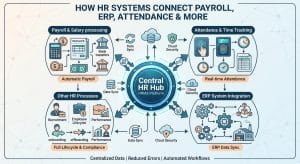
An integrated ERP system connects all departments on one platform. When data flows freely between finance, operations, and HR, you eliminate duplicate work and manual errors.
ERP maintenance costs are also lower when your system is unified. Maintaining one platform is always simpler than managing five disconnected tools patched together with workarounds.
2026 Trends in ERP Cost-Saving Automation
The latest 2026 trends in ERP cost-saving automation are AI-driven. Modern ERP systems now handle routine tasks automatically; predictive alerts, journal entries, and inventory forecasting are becoming standard, not premium.
When evaluating ERP systems, ask vendors about their AI roadmap for the next 12 months. Companies planning for automation today will spend far less on manual fixes tomorrow.
Honest Opinion About ERP Projects
ERP projects are hard. Even well-planned ones hit problems. The software is rarely the issue. Most failures come from internal problems, unclear ownership, poor communication, or leadership that disappears after signing.
If a vendor promises zero disruption and a smooth ride, that is a sales pitch. Ask to speak with real clients who went live at least one year ago. Their experience beats any demo.
Conclusion
ERP projects fail because of weak planning, unclear expectations, or incomplete budgets. Not bad software. All is fixable before you sign.
Audit your current tools first. List every system your ERP must connect with. Build your budget using all six categories above, then add 20% as a buffer. For a solid starting point, explore ERP system software at Primestation.
The best ERP results do not come from the biggest budgets. They come from careful planning, hard questions, and staying involved throughout.
Frequently Asked Questions
- How do I know if my ERP vendor is hiding extra costs?
Get a full line‑item breakdown for evaluation, setup, integrations, data migration, training, ongoing support, and add‑on modules. If they will not list what is “out‑of‑scope” or cannot say what is not included, treat that as a red flag.
- Why does my team keep reverting to spreadsheets after ERP go‑live?
This happens when the ERP feels slower or harder than the old way. It usually means the system does not match real workflows or training did not cover daily tasks. Fix workflows first, then retrain by role.
- How do I get honest feedback when every vendor demo looks perfect?
Ask each vendor for two customer references that went live at least a year ago in your size and industry. In those calls, focus on post‑go‑live problems, support speed, and surprises, not the demo features.
- Why do ERP quotes feel clean at first, but later keep asking for more money?
Many quotes cover only the core software and basic setup. Work like data cleanup, integrations, testing, and extra training often sits outside the proposal. Demand a written list of exclusions and change‑request rules before signing.
- Why do month‑end closing and reporting still take ages after ERP go‑live?
It means the ERP is missing key data, or finance is still doing manual steps. Map each month‑end task into the system, tighten data entry rules, and automate reconciliations. Then retest reports with real periods.