You lost a warm lead last week. The price was wrong, or nobody followed up in time. The prospect emailed twice, and maybe it got buried, and now they’re a customer of your competitor. If your business runs on spreadsheets, scattered inboxes, and memory, this happens more than anyone wants to admit.
Poor sales visibility, missed follow-ups, and duplicate customer records aren’t small annoyances; they’re expensive habits. The right CRM software solutions fix exactly this.
Table of Contents
ToggleKey Takeaways
- CRM software centralizes your customer database so nothing gets lost.
- Automation takes repetitive tasks off your plate, from follow-up emails to data entry.
- AI features help teams forecast sales and catch at-risk customers early.
- Small businesses often benefit even more than large ones, since every lead matters more.
Right Usage of CRM For Businesses
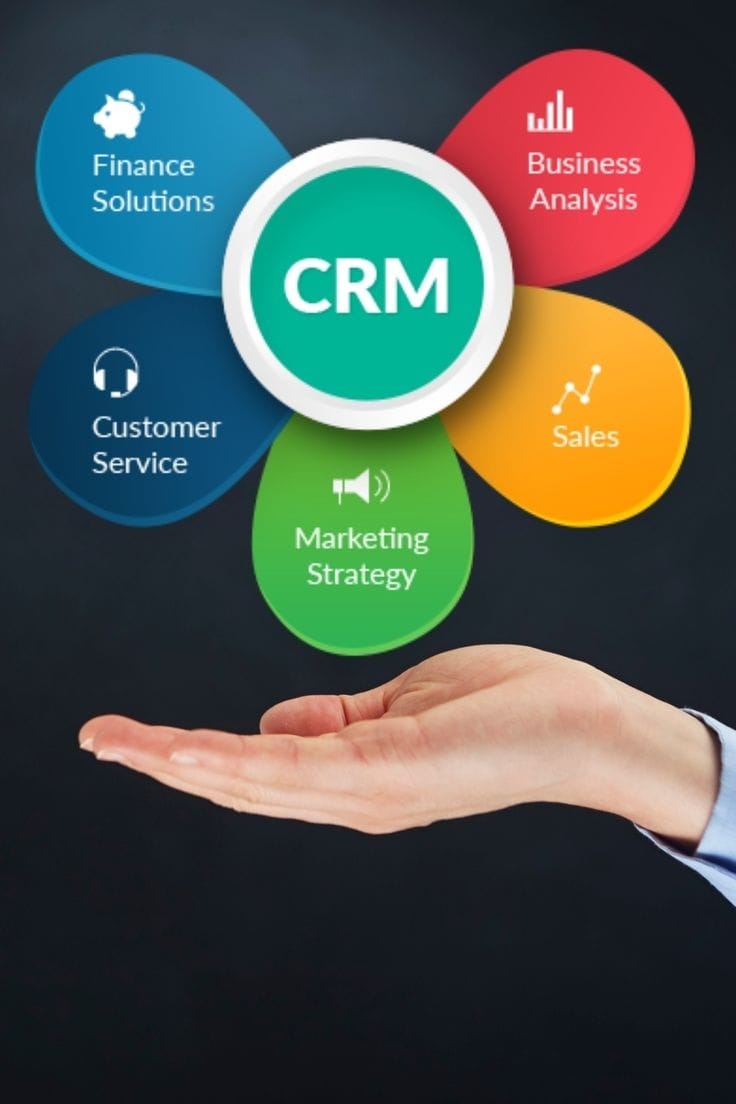
A CRM isn’t a glorified address book. A proper sales CRM platform ties together your customer information, sales pipeline, communication history, and team in one shared space.
When a sales rep leaves, their deals, notes, and customer interaction management history stay in the system.
Inside a CRM System
It’s a living record of every customer relationship your business has had, including every call, email, meeting, and purchase in one timeline. That kind of account management visibility changes how decisions get made.
Sales Tasks CRM Automation Software Handles
Manual data entry eats into sales productivity. Reps end up logging calls instead of making them.
CRM automation software takes care of this routine work automatically.
Tasks crm can automate right now
- Follow-up emails triggered once a lead goes cold for 48 hours
- Lead assignment, routing new inquiries to the right rep automatically
- Task creation, so a closed deal kicks off onboarding without anyone remembering to do it manually
Most CRM tools offer this today. The problem is businesses set it up halfway, then wonder why it isn’t working.
What Automation Can’t Do
Automation won’t fix bad data. Wrong contact info means the automated email goes to the wrong person, confidently, on schedule. Vendors rarely mention that part.
How Cloud CRM Software Changed the Game for Small Teams
Ten years ago, CRM meant enterprises with dedicated IT departments. Now cloud CRM software runs in a browser. Your rep in Chicago and your manager in Austin see the same pipeline in real time.
| Feature | Spreadsheet | Cloud CRM |
| Real-time team access | Not available | Available |
| Automated follow-ups | Not available | Available |
| Sales forecasting | Not available | Available |
| Duplicate record detection | Not available | Available |
| Mobile access | Limited | Full access |
| Customer lifecycle management | Not available | Available |
AI-Powered CRM Features Worth Using
AI-powered CRM isn’t a gimmick anymore, but it helps to know what’s useful versus marketing noise.
CRM predictive analytics is the most practical AI feature for sales teams. It scores your leads by how likely they are to buy this month, so your team stops chasing cold ones.
AI Features That Solve Real Problems
- Sentiment analysis reads customer emails and warns you when someone sounds upset or unhappy.
- Sales forecasting looks at real sales numbers to guess how much you’ll sell by the end of the quarter.
- Conversation intelligence listens to sales calls and shows you what your best salespeople do differently than the rest.
AI customer service software included in your CRM also speeds up responses. From the time the customer submits their query, the software will be able to sort it, direct it to the right person, and confirm its receipt before your team gets to see it.
Can CRM Software Integrate With Your Existing Business Tools
The most effective CRM software that you can integrate into your business operations is the one that can connect with the applications that you currently have. This would include applications for email, accounting, marketing, and customer support among others.
Good CRM implementation services handle this mapping upfront. See how proper CRM integration is set up from day one.
Is CRM Software Worth It for a Small Business
Yes, but it only works if your team actually uses it. A CRM pays for itself the second it saves a single deal you worked hard to close. Over time, tracking leads better, keeping customers happy, and replying faster adds up to huge wins for your business.
Learn how small businesses build CRM habits that actually stick.
My Honest Opinion On What CRM Will Not Fix
CRM software is a tool, not a strategy. A broken sales process just runs faster with a CRM. If your team doesn’t log calls, the customer database stays empty. If leadership never reviews the data, the reporting doesn’t matter.
I’ve watched companies spend months on CRM implementation services, land a perfect setup, and still fail. Because the behavior never changed.
CRM works best when it’s built around how your team already operates, not how someone imagines they should. Start simple by automating one thing at a time. Review what the data shows, then adjust.
Conclusion
Good CRM software really comes down to three things: it keeps your customer info neat, it takes the boring repetitive work off your hands, and it shows you exactly how your sales are doing, no digging around required.
Three easy steps to start:
- Check your customer data: look for records that are doubled up or missing details.
- Automate one thing first. Sending a follow-up email when someone new reaches out is probably the easiest place to begin.
- Review your CRM once a week. Twenty minutes every Monday is enough; just check open deals and anything that’s overdue.
You don’t need to tackle everything at once. You just need to actually keep doing it.
Frequently Asked Questions
1. Why Do Businesses Use CRM Software?
Mainly to keep customer data in one place, cut down on manual admin work, and stop leads from slipping through the cracks.
2. Which Sales Tasks Can CRM Software Automate?
Things like follow-up emails, routing leads to the right person, meeting reminders, and the admin work that piles up after a sale closes.
3. What CRM Features Help Prevent Lost Leads and Missed Follow-Ups?
Pipeline alerts, automated email sequences, and lead scoring do most of the heavy lifting here. They flag a deal the moment it goes quiet.
4. Can CRM Software Integrate With Other Business Systems?
Yes, most CRM platforms hook right into the email, accounting, marketing, and support tools you’re probably already using.
5. How Much Does CRM Software Cost?
It’s usually priced per user, per month, and goes up depending on your team size and whether you want the fancier AI features.