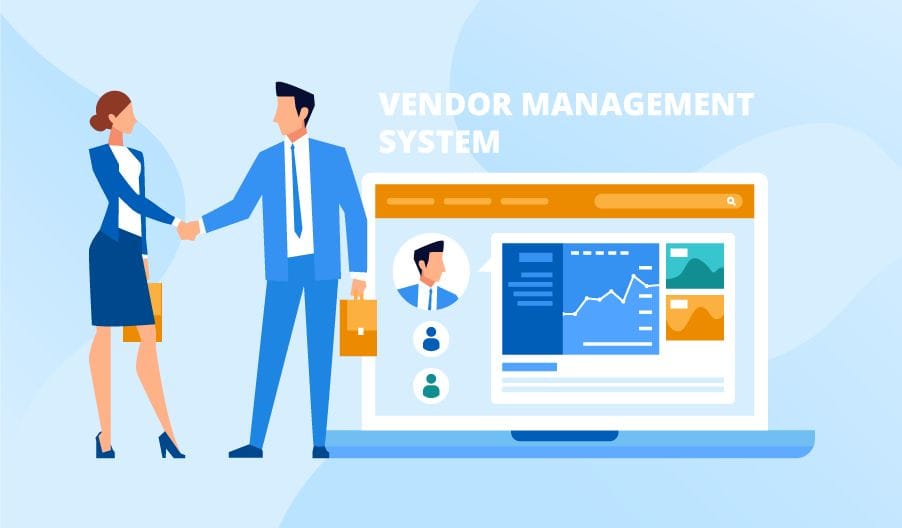
Spreadsheet management of your vendors is costing you more than you may realize. Not all missed deadlines, lost contracts, and slipped-through compliance issues are minor annoyances. Your bottom line is directly impacted by them.
What separates a vendor relationship management system from conventional techniques? Conventional approaches depend on disjointed spreadsheets, email chains, and manual tracking. Workflows are automated, data is centralized, and real-time visibility across your whole vendor network is provided by a vendor relationship management system.
A Prime Station, we’ve seen businesses transform their vendor operations by moving from outdated manual processes to integrated VRM solutions. The savings are measurable and immediate.
Table of Contents
ToggleKey Takeaways
- Manual errors and compliance risks in traditional vendor management result in hidden costs.
- VRM systems reduce costs by 15–30% by automating processes and improving negotiations.
- Approvals are streamlined, and data silos are eliminated with digital vendor management.
- Usually, operational improvements yield a return on investment in 6–12 months.
The True Cost of Traditional Vendor Management
Are traditional vendor management methods still effective? In today’s environment, where compliance requirements tighten and vendor networks expand, manual methods create vulnerability. You’re not just losing time, you’re exposing your business to risks you might not even know exist.
Hidden Costs That Add Up Fast
- Manual data entry errors trigger payment disputes and duplicate orders
- Lack of performance visibility means paying vendors who consistently underdeliver
- Scattered documentation wastes hours when audits or disputes arise
- Delayed approvals slow down operations and frustrate vendor relationships
Why VRM Systems Solve These Problems
A VRM system eliminates the fundamental problems plaguing traditional vendor management. Instead of scattered information, you get a single source. Instead of manual processes, you get automated workflows. Instead of reactive fire-fighting, you get proactive risk management.
What features make vendor relationship management systems better than traditional methods? Modern vendor relationship management software provides centralized databases, automated risk assessments, real-time tracking, contract management, and compliance monitoring, all integrated into one platform.
Key Advantages of VRM Digital Systems
- Automated workflows handle routine tasks like vendor onboarding and invoice processing
- Real-time dashboards provide instant visibility into vendor performance and spending
- Centralized data eliminates information silos and version control issues
- Compliance monitoring catches issues before they become expensive penalties
- Performance analytics enable data-driven negotiations and better vendor selection
The Financial Impact You Can Measure
How does VRM improve vendor cost savings and efficiency? Organizations implementing VRMs typically see a 15-20% reduction in vendor-related costs within the first year.
Better pricing negotiations happen when you have complete visibility into vendor performance. By managing vendor relationships through a unified system, you negotiate from a position of strength with actual data backing your discussions.
Can vendor relationship management systems reduce vendor-related risks? Absolutely. By detecting vulnerabilities before they are exploited, VRM digital systems offer ongoing monitoring that helps to avoid expensive breaches and business interruptions.
Making Your Decision
How to choose between VRM software and traditional vendor management methods? Calculate what traditional methods actually cost you. Add up time spent on manual vendor management, costs from errors and delays, penalties from compliance gaps, and lost savings from poor negotiations.
Compare those figures against the VRM system investment. For most organizations managing more than 20 vendors, the math strongly favors VRM implementation. The return on investment typically appears within 6-12 months through reduced costs and improved efficiency.
Conclusion
The data confirms that VRM systems save significantly more than traditional methods. The real question is whether you can afford to keep losing money through inefficient vendor management while competitors gain advantages.
Every day you delay implementing vendor relationship management software, you’re paying unnecessary costs for vendor relationships and exposing your business to preventable risks. The savings are proven. The question is when you’ll capture them.
FAQs
- What’s the average ROI timeline for implementing a VRM system?
In six to twelve months, the majority of organizations see a positive return on investment. Within the first year, implementation costs are usually offset by immediate cost savings from improved vendor visibility and quick wins from less manual labor. Long-term savings grow over time as enhanced compliance and stronger vendor relationships provide continuous benefits.
- Can small businesses justify the cost of VRM software?
Indeed. Smaller businesses can now choose from flexible pricing models offered by VRM solutions. The time savings, enhanced compliance, and stronger negotiating position yield quantifiable return on investment, even when working with 10–20 essential vendors. High upfront costs have been eliminated by cloud-based systems.
- How long does it take to transition from traditional methods to a VRM system?
Depending on complexity, implementation typically takes two to four months. It’s not necessary to migrate everything at once. Start with important vendors, get quick wins, and then progressively grow. This phased approach provides immediate benefits while minimizing disruption.
- Will a VRM system integrate with our existing accounting and ERP systems?
Integration is a key component of contemporary VRM digital systems. The majority of platforms provide APIs for custom integrations in addition to pre-built connectors for widely used accounting and ERP systems. Systems that exhibit successful integrations with your particular tech stack should be given priority.
- What happens to our vendor data during the transition?
Thorough data migration planning is a component of high-quality VRM implementation. Prior to migration, you will ensure accuracy by cleaning and validating vendor data. Errors and gaps in traditional tracking that were costing money are frequently discovered by this data cleanup.
- Do we need dedicated staff to manage a VRM system?
Not always. Vendor management staffing requirements are decreased by VRM systems. Hundreds of vendors can be efficiently managed by one person using a VRM platform, something that is not possible with conventional techniques. While employees concentrate on managing strategic relationships, the system takes care of routine tasks.